
With the UK government looking to phase out new petrol and diesel car sales by 2030, drivers are considering changing to an electric vehicle (EV) or a hybrid. Both options offer environmental benefits, but each comes with its own set of advantages and challenges. In this article, we’ll go through the differences to help you make an informed choice that suits your driving habits, lifestyle and most importantly budget.
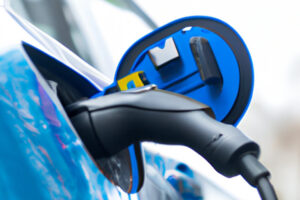
Electric Vehicles (EVs)
Pros:
- Zero emissions: EVs produce no exhaust fumes, making them ideal for city driving and supporting cleaner air.
- Access to clean air zones: Many UK and even EU cities charge older petrol and diesel vehicles to enter Low Emission Zones (LEZ). EVs are generally exempt, saving money for daily commuters.
- Lower running costs: Electricity is typically cheaper than petrol or diesel fuel, and EVs have fewer moving parts, reducing long-term maintenance costs.
Cons:
- Higher upfront cost: EVs tend to be more expensive than traditional cars, though grants and incentives may help.
- Charging infrastructure: While the UK network is still expanding, access to charging points is limited especially in rural areas or apartment complexes.
- Range limitations: Even with improving battery technology, some models have very limited driving ranges, which may not suit long-distance commuters.
Hybrid Vehicles
Pros:
- Fuel efficiency: Hybrids combine a petrol engine with an electric motor, reducing fuel consumption and emissions compared to traditional petrol or diesel vehicles.
- Lower emissions in urban driving: Hybrids perform efficiently in stop-start city traffic, where their electric motor can handle low-speed driving.
- No range anxiety: Unlike full EVs, hybrids can switch to petrol if the battery runs low, making them more practical for longer journeys.
Cons:
- Complex maintenance: Hybrids have both petrol and electric components, which can increase repair costs if issues arise.
- Limited environmental benefit on long motorway journeys: The petrol engine is utilised on extended high-speed drives, reducing overall efficiency gains.
- Higher purchase price: While cheaper than EVs, hybrids are generally more expensive than conventional cars.
Making the Right Choice Between EVs and Hybrids
If most of your driving is in urban areas, a fully electric car can save money and reduce emissions significantly. If you often drive long distances or need flexibility, a hybrid might be the better option. Either way, switching from petrol or diesel contributes to sustainability and prepares you for the UK’s evolving motoring landscape.
Keeping Your New Vehicle Maintained
Here at MCM Garage, we service and can arrange an MOT (with our sister company MCMOT Centre) for your hybrid and EV vehicle when it requires it. Get in touch for a quote today on 01761 415 501 or book a car service appointment via our online form here.