
Cold mornings, freezing temperatures outside and frosty windscreens are all part of winter driving in the UK. Unfortunately, winter can also be a tough time of the year for your car battery. How many times have you turned the key on a cold morning only to hear a clicking noise or find your engine struggling to start? These symptoms are some of the most common winter car battery problems in the UK.
In this article we’ll explain how cold weather affects your battery, recognising the warning signs and taking a few preventative steps can help you avoid an inconvenient breakdown.
 Why Does Cold Weather Affect Car Batteries?
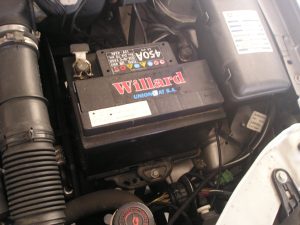 Why Does Cold Weather Affect Car Batteries?
Your car battery relies on chemical reactions to produce the electrical power needed to start the engine. When air temperatures drop, these reactions slow down, reducing the battery’s ability to deliver power.
At the same time, your engine requires more power to start in cold weather. Engine oil becomes thicker in lower temperatures, meaning the starter motor has to work harder to turn the engine over to start the car.
This combination of reduced battery performance and increased demand can make an older or weakened battery particularly vulnerable during winter.
Common Signs Your Car Battery Is Struggling
Batteries don’t always give you a warning sign before they stop working. However, there are several symptoms UK drivers should look out for, particularly during colder months which are:
1. Slow Engine Starting
If your engine takes longer than usual to start, or sounds sluggish when turning over, your battery might not be delivering enough power.
2. Clicking Sounds When Starting
A rapid clicking noise when you turn the key or press the start button could indicate insufficient battery power. However, starter motor or electrical faults can produce similar symptoms.
3. Dim Headlights and Dashboard Lights
If your headlights appear unusually dim or your dashboard lights flicker when starting the vehicle, it’s usually a sign of a low battery.
4. Electrical Systems Behaving Unusually
Modern vehicles rely on electrical power for everything from central locking to dashboard screens. A struggling battery can sometimes cause electrical components to behave erratically or warning messages might pop-up.
Why Do Car Batteries Fail More Often in Winter?
Cold temperatures aren’t the only reason batteries fail during winter – our driving habits can also contribute.
Short journeys are a common culprit. Starting your car uses a large amount of battery power, so if you’re only driving for a few minutes at a time, the alternator might not have enough opportunity to be recharged fully.
Winter can also see additional electrical demands putting extra pressure on an already weak battery, including:
- Interior heating and ventilation
- Heated seats and heated windscreens
- Headlights and fog lights
- Windscreen wipers
- Rear window demisters
How to Prevent Winter Car Battery Problems
Fortunately, there are several simple steps you can take to reduce the risk of experiencing a flat battery.
- Check Your Battery Regularly: If your battery is several years old, you can always take it for a battery health test before winter arrives. Many garages can check its condition and starting performance before it’s too late.
- Keep Battery Terminals Clean: Any corrosion around the battery terminals can interfere with electrical connections. Make sure to safely clean any significant corrosion if you discover any.
- Avoid Unnecessary Short Journeys: Where practical, combine shorter journeys into one longer trip to give the alternator more opportunity to recharge the battery longer.
- Switch Off Electrical Equipment: Make sure heaters, lights, and other electrical items in the vehicle are switched off when the engine isn’t running, wherever appropriate.
- Replace Ageing Battery: Most car batteries last between three to five years, although this can vary depending on the vehicle, battery type and your driving conditions.
When Should You Get Your Battery Checked?
If your car is begins to struggle to start, you experience electrical problems, or your battery repeatedly keeps going flat, it’s worth getting it professionally tested before it’s too late.
Getting a battery test can help establish if it needs replacing or indicate another issue – such as a faulty alternator or electrical drain – which could be responsible.
Keep Your Car Ready for Winter
Winter car battery problems can be frustrating, but easy and quick preventative maintenance can make all the difference. Checking your battery before temperatures drop, maintaining good driving habits and addressing battery warning signs early can help keep your vehicle reliably starting throughout the colder months when you need it the most.
At MCM Garage, we offer professional battery checks and replacement services to help keep you moving. Contact us today to arrange a battery health check and avoid getting caught out with a flat battery on a freezing winter morning.